Introduction
If you decide to go solar, there are a few key areas to consider before starting the installation process. To ensure you can maximize the benefits of your solar panels, our site auditor will check the condition of your roof and electrical service to assess for necessary or recommended upgrades.
Once our audit is complete and we have determined potential areas in need of improvement, Solanta can perform any ancillary service work your home may require to host your new solar system.
We know your time is valuable, and solar is a permanent addition to your home, which is why we provide an expert level of attention to detail. That being said, it’s important to review your project’s timeline in its entirety, as well as to understand which components of your solar installation need the most of your attention.
Solanta’s consultants are here to help you prioritize and walk you through each step of your project, from simply discussing your options and making essential home upgrades, to finally activating your solar system.
Meeting Your Requirements
Properly installing solar panels calls for a complete and thorough examination of the space that will be supporting your system for the next few decades.
Before jumping straight into the installation, here are three essential questions to ask yourself:
1. Is Your Roof in Good Condition?
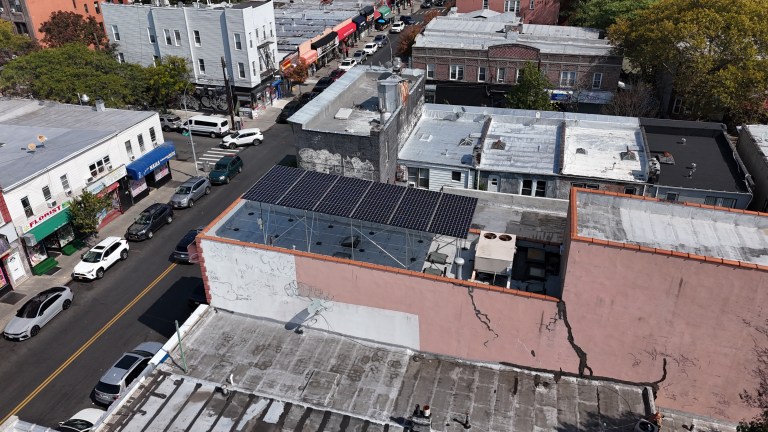
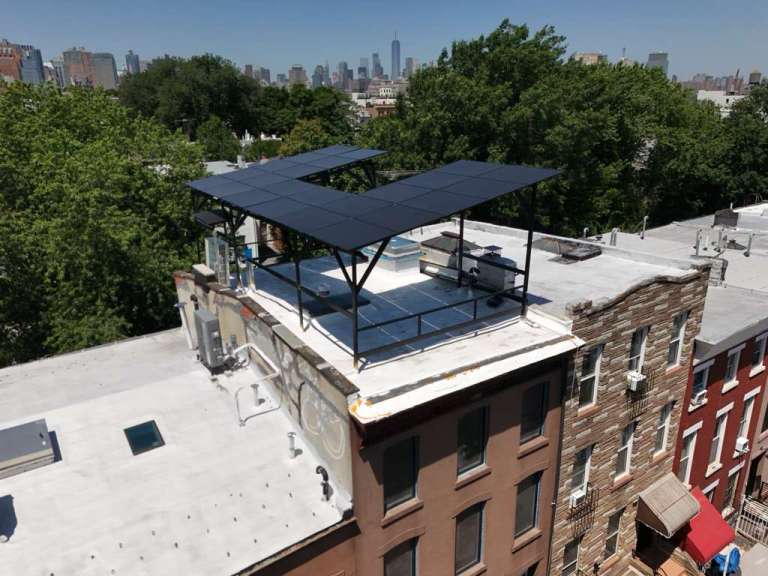
Solar panels have an especially long lifespan, lasting an average of 25-30 years. To allow them to reach their full life expectancy, your roof needs to be able to sustain them. The good news is: Solanta provides roof remediation and replacement services in tandem with their solar projects.
During site surveys, our team examines the condition of every roof we work with. We firmly advise our clients to have a roof with a remaining lifespan of at least 15-20 years. Ideally, your roof will be under 10 years old, but with a proper evaluation, Solanta is willing to work with customers who have roofs ranging from 10-15 years old as well. However, if your roof is over 15 years old, it will likely need work — or even a full replacement — before you can think about installing solar panels.
Without a structurally sound and sealed roof, Solanta won’t proceed with the project. Not only will an insufficient roof be an insurance liability for us, but it will also cost more for the homeowner down the road. Installing solar panels on a deteriorating roof will result in an expensive removal and reinstallation of your solar panels when it’s time for your roof to inevitably be replaced.
If your roof is leak-free and structurally sound, it’s ready for solar panels. And if it’s not, Solanta is committed to making any necessary repairs before safely installing your solar panels.
2. Is Your Electrical Service Up-to-Code?
Your roof isn’t the only asset that has to be up to par for your new solar system — the state of your electric service is just as important. A good electrical system is imperative for solar.
Since solar panels themselves generate raw, direct current (DC) electricity, they require a network of inverters to convert solar energy into power that can be safely routed into your home.
To operate reliably, your electrical system must have at least a 200-amp service capacity, open breaker space for a new solar breaker, and an up-to-date, code-compliant grounding system. If your electrical system is not code-compliant, the Department of Buildings will not pass your solar electrical inspection until it is brought up to code.
Homes that are more than 30 years old often require electrical upgrades before transitioning to solar. For example, if your home was constructed around the 1950s to 1980s it most likely has a Federal Pacific Electric panel that will need to be replaced due to the fire hazard it poses.
An outdated electrical service risks overloads, overheating, arc faults, and electrical fires. So if your consultant tells you that we need to replace your main service panel as part of your solar project, it’s for the best.
While other contractors may give you a cheap way out by turning a blind eye to an electrical deficiency, Solanta prioritizes safety and longevity. We can provide whatever electrical service work is necessary, whether that’s relocating a meter pan, upgrading an old service panel, or running another service line from the utility grid.
3. Have You Received Any Additional Authorization Your Home’s Location May Require?
Once you have confirmed you have the physical means to sustain solar panels, you need to confirm you have full permission to have them installed. For residences located in a Homeowner’s Association (HOA) or a landmark preservation district, our customers will need to obtain additional authorizations before going solar.
Heads up: HOAs may flat out prohibit solar. If that’s your case, to successfully have your panels installed, you’ll need to petition with your HOA.
On the other hand, properties in landmark preservation neighborhoods require a more in depth site assessment and require a mock installation before issuing permits. This causes additional delays, outside of our company’s control, of anywhere from 3-12 months.
Timeline
If you answered “yes” to all three of the above questions: congratulations! Your home is now ready to for solar.
With the project about to begin, you may be wondering, “how long will this take?” From start to finish, Solanta’s installation timeline averages 8-12 weeks. However, if everything goes smoothly: you’re diligent about responding to our team; the building department issues permits quickly; and we don’t encounter inclement weather conditions; installation can be completed in as short as 4 weeks.
Ultimately, the timeline of the project depends on the complexity of the project, but we do our best to move the project along and provide regular updates.
Avoiding Common Mistakes
Now that you’ve learned the ins-and-outs of what your solar project will require of you, we want to ensure the process will run as smoothly as possible.
Here are three factors to ponder and allow us to prevent misunderstandings:
Property
The size of your solar panel system generally depends on the size of your roof. Although our goal is to build your system large enough to offset the cost of your electricity bills, the amount of space for your panels to meet this requirement is limited by your roof size.
Evidently, your system cannot be larger than your roof itself.
Production
The amount of energy produced by your solar panels heavily relies on your location and its surroundings. For instance, if your roof is in the direct line of other buildings or trees, your system will be shaded, meaning it won’t generate as much energy.
That said, we cannot guarantee that solar panels will completely offset your entire utility consumption on the front end. However, Solanta does provide estimates for energy efficient improvements to help you achieve 100% offset of your utility consumption.
Prioritization
Many homeowners often over- or under-priortize certain considerations. For instance, a customer may proactively address the condition of their electrical system, but fail to ensure their roof can uphold solar panels for the next three decades.
For a solar panel system to be cost-effective, our clients must give sufficient attention to all factors of what the installation includes.
Interested in Partnering With Solanta?
Contact us today: https://solanta.com/#build-with-us-form